
If you’ve killed a plant before, or several, start with mint, rosemary, chives, and thyme. These four are about as close to foolproof as herbs get, and they forgive mistakes that would set back most other plants. If your track record with houseplants is more graveyard than garden, this is the place to rebuild your confidence.
The Herbs Almost Anyone Can Grow
Some herbs demand precise watering schedules and specific light conditions. These aren’t those herbs.
- Mint: Almost impossible to kill, which is also why it’s usually grown in its own container. Left unchecked, it spreads aggressively and will take over a garden bed. Tolerates inconsistent watering and partial shade without complaint.
- Rosemary: Actually prefers to be neglected a little. It’s drought tolerant once established and struggles more from overwatering than underwatering, which makes it a great match for anyone who tends to forget to water.
- Chives: Comes back reliably year after year, tolerates a wide range of light conditions, and keeps producing even after you snip from it repeatedly.
- Thyme: Low, hardy, and happy in poor soil that would stress out fussier plants. Like rosemary, it handles dry spells better than wet ones.
What makes all four forgiving is the same underlying trait: they don’t punish you for missing a watering, and none of them need precise, constant conditions to survive. That’s the opposite of something like basil, which sulks the moment it dries out or gets a chill.
Indoor vs. Outdoor: Which Herbs Do Best Where
This is the first practical decision most beginners have to make, and it’s simpler than it looks.
Outdoors works best for mint, rosemary, thyme, and chives if you’ve got a spot that gets at least a few hours of direct sun. They’re all hardy enough to handle regular outdoor conditions, including the occasional missed watering during a hot stretch.
Indoors is a better fit if you don’t have outdoor growing space, or if you want fresh herbs within arm’s reach of the kitchen year-round. Chives and thyme adapt well to a sunny windowsill. Rosemary can grow indoors too, but needs the brightest window you have. It’s more prone to getting leggy and weak in low light than the others.
If you’re not sure yet, start outdoors if you have any usable space at all. Outdoor growing conditions are more forgiving of beginner mistakes than most people expect, since rain, wind, and natural light do a lot of the work for you.
Starter Plant or Seed? Where to Source Your Herbs
This is the decision that matters most if you’ve struggled with plants before, so it’s worth being honest about the tradeoff.
Seeds are cheaper, but slower and less forgiving. Germination, the stage where a seed actually sprouts and becomes a seedling, is the most fragile point in a plant’s life. Too much water, too little water, the wrong temperature, or inconsistent light at this stage can kill a seed before it ever gets the chance to become a plant you could otherwise keep alive. If you’ve killed plants before, there’s a good chance germination is where things went wrong, not the growing stage itself.
Starter plants skip that fragile stage entirely. When you buy an already established herb start, someone else has already gotten it through germination and early growth, the part where most beginner mistakes happen. You’re picking up a plant that’s already proven it can grow; your job from there is just to keep it alive, which is a much easier task.
There’s a second advantage to buying starter plants in person that a seed packet can’t offer: you can actually check the plant’s health before you buy it. Look for firm stems, consistent leaf color, and no sign of wilting or yellowing. That’s not something you can evaluate on a seed packet, but it’s easy to check when you’re standing in front of the actual plant.
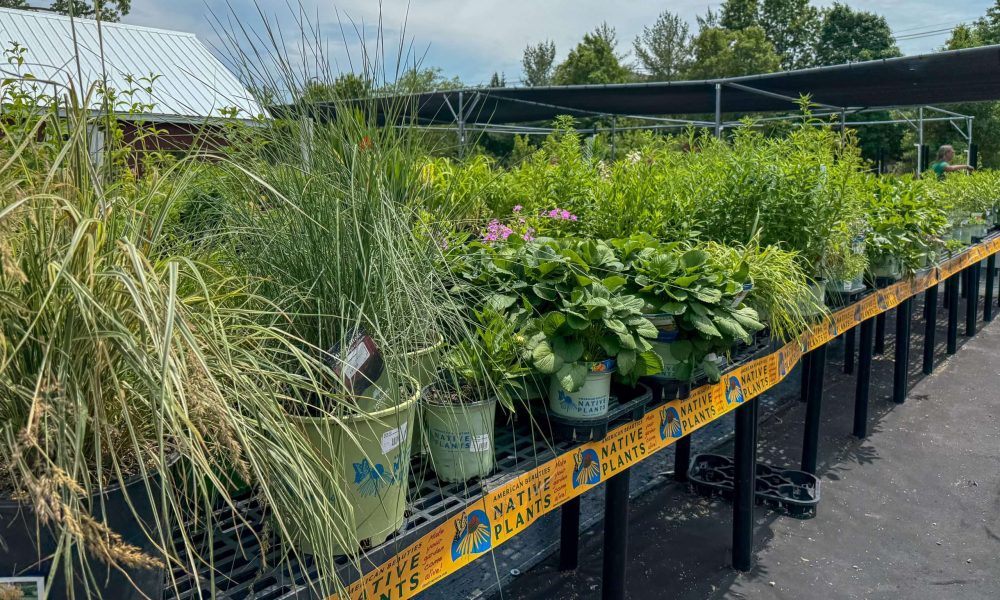
Our nursery’s Vegetable & Herb Greenhouse carries garden-ready herb starts for exactly this reason. It’s the difference between reading an article about growing herbs and actually walking out with something you can plant today.
Soil and Containers: What Herbs Actually Need
Most herb problems that aren’t watering related come down to drainage and container size.
- Drainage matters more than soil richness. Herbs like rosemary and thyme actually prefer lean, well-draining soil over rich, moisture-retentive soil. If water pools or sits in the container, roots start to rot regardless of how well you’re otherwise caring for the plant.
- Start with the right potting mix. A potting soil or soil amendment built for containers makes a bigger difference than most people expect.
- Pick a container with drainage holes. This is non-negotiable for pots. Without a way for excess water to escape, even a well-watered herb can develop root rot.
- Size the container to the plant, not the other way around. A too-small pot dries out fast and restricts root growth; a too-large pot holds excess moisture the roots can’t use, which invites rot. Match the pot to the herb’s mature size.
Getting the soil and container right at the start prevents most of the problems that show up later. It’s a lot easier to set this up correctly on day one than to fix it after a plant is already struggling.
Common Mistakes That Kill Herb Gardens
If a past attempt at growing herbs didn’t work out, it was probably one of these:
- Overwatering. This is the single most common mistake, especially with drought-tolerant herbs like rosemary and thyme. More water is not automatically better care; for these herbs, it’s often the opposite.
- Wrong light. Most herbs want a good amount of direct light. An herb quietly struggling on a dim countertop, away from any real light source, will look fine for a while before it starts to decline.
- No drainage. Covered above, but worth repeating because it’s an easy thing to overlook when a container just looks nice. Decorative pots without drainage holes are one of the most common causes of root rot in beginner herb gardens.
FAQ
Can I grow herbs indoors year-round?
Yes, for herbs like chives and thyme, as long as they get consistent light. A bright, sunny windowsill is usually enough. Rosemary is trickier indoors long term since it needs more light than most windows provide, especially in winter.
Do herbs need fertilizer?
Not much. Most herbs actually grow better in leaner soil, and heavy fertilizing can push fast, leafy growth that’s less flavorful. A light feeding once every month or two during the growing season is plenty for container-grown herbs.
What’s the easiest herb for a beginner?
Mint and rosemary are usually the top picks. Mint is nearly impossible to kill (just keep it contained), and rosemary actively prefers to be left alone, which suits anyone still building a watering routine.
Ready to Start?
Stop by our nursery to pick out your starter plants. Our Vegetable & Herb Greenhouse has garden-ready herbs so you can skip the fragile seedling stage and get straight to growing something you’ll actually use in the kitchen.


